
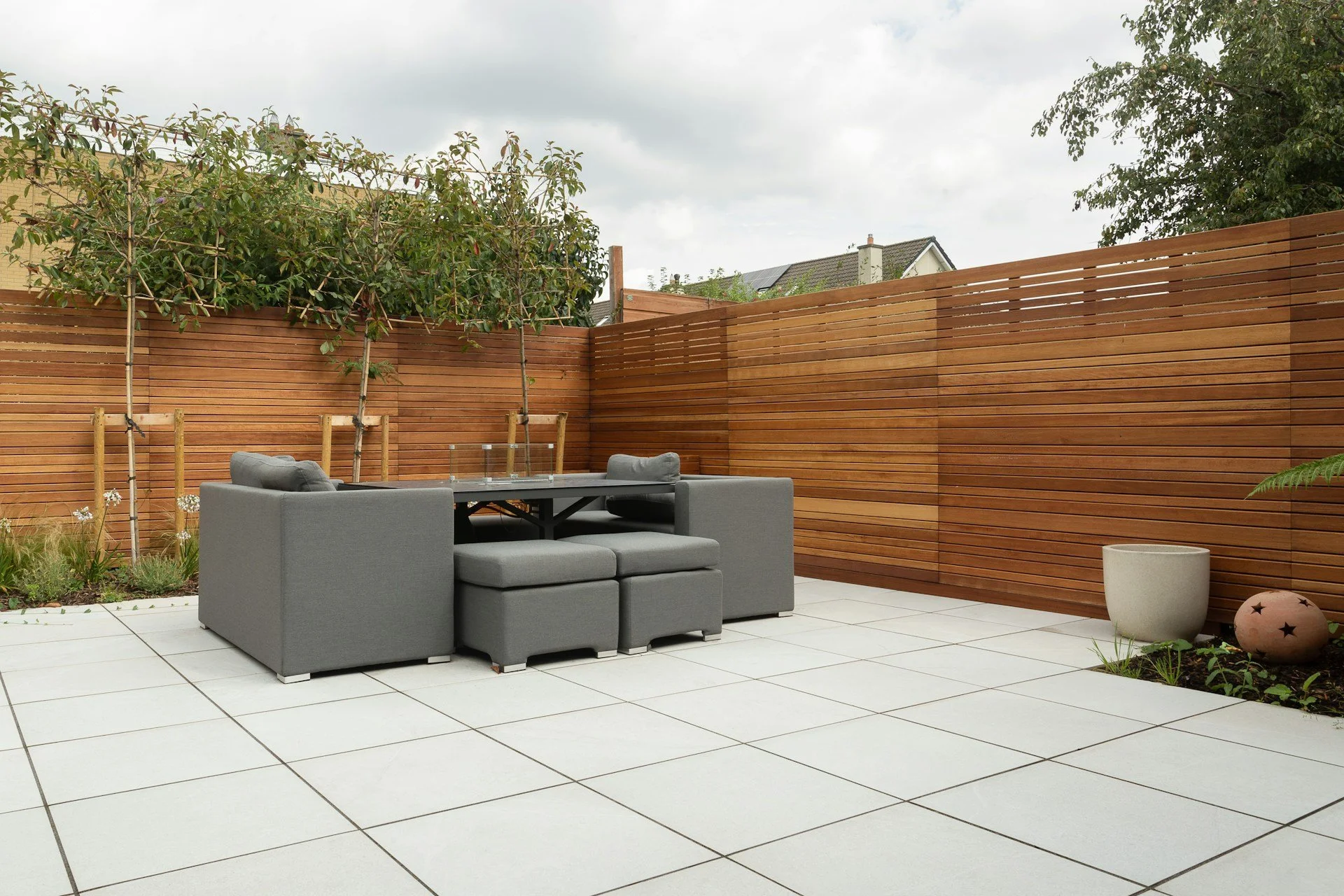
It’s pretty common for homeowners around Charlotte, North Carolina, to notice their yards shifting or sinking a bit after a new patio is installed. What looked flat and perfect when it was first finished might start to look uneven weeks or even months later. This kind of settling isn’t just a cosmetic issue, it can throw off drainage flow, lead to wobbly pavers, or even create tripping hazards.
The reasons behind this aren’t always obvious right away. But understanding what’s going on under the surface helps explain why patios don't always stay level. It also helps you ask better questions when working with patio deck contractors in Charlotte who know to plan for local conditions.
Common Soil Types in Charlotte and How They Behave
Charlotte’s soil makeup can be a mix of red clay, loamy patches, and some sandy areas depending on the lot and neighborhood. These soil types act pretty differently, especially when you add moisture and weight into the equation.
• Red clay holds water and expands when wet, then shrinks when dry, which can cause patios to shift or crack over time.
• Loamy soils are more forgiving but don't hold their shape well if they aren’t compacted properly before building.
• Sandy areas drain quickly but don’t pack down tightly, so they might shift more if the base isn't thick enough.
What really makes things tricky, especially around late winter, is when cold, wet conditions are followed by warm, dry stretches. The moisture balance underneath the patio changes fast. That means the soil might go from being fully saturated to pulling away from the materials above it. If the original soil conditions weren’t reviewed closely, even a well-built patio can run into trouble later.
A key part to remember is that each soil type reacts differently to seasonal changes in Charlotte. For example, red clay, notorious in the region, can swell during heavy rains, causing a patio to appear slightly raised in some areas. Then, as the soil dries out, it shrinks and pulls away, leaving gaps under sections of the patio which can increase the risk of settling. Loamy and sandy soils each carry their own risks as well, with loamy soil forgiving movement but sometimes lacking firmness, and sandy soil draining quickly but not locking in place. Recognizing which soil you have is the first step a contractor will take, as it determines the best approach for a stable patio foundation.
Grading Issues and Drainage Mistakes That Lead to Uneven Settling
Before a single stone or paver goes down, the ground beneath needs to be shaped and sloped just right. This step is called grading. Skipping it or rushing through it is one of the main reasons patios end up uneven.
• Poor grading can leave soft areas that sink faster after heavy rain or freezing conditions.
• Water that doesn’t drain away from the patio collects at the edges, loosening soil beneath over time and shifting the structure.
• Patios built on sloped lots need even more planning. If drainage isn’t directed away from the home, runoff can dig paths beneath the surface and cause parts of the patio to drop.
In Charlotte, where storms can dump a lot of rain in a short time, effective grading is crucial to ensure water moves away from the patio and doesn't sit around its perimeter. When water pools in the wrong area, the underlying soil becomes saturated, weakens, and eventually compresses, which is what often leads to those frustrating low spots or crooked stones over time.
Without proper grading and drainage, water ends up sitting where it shouldn't. That leads to gradual changes in the surface and the feeling that your new patio isn’t holding up the way it should.
How Base Preparation Affects Long-Term Stability
A patio's strength depends just as much on what's beneath it as it does on the materials on top. The base layer is what sets the foundation, and how it's built really affects how well the patio holds up year-round.
• Digging deep enough to get past loose topsoil and layering materials like crushed stone helps prevent shifting.
• Each added layer needs to be packed down properly. If any layer is uneven or poorly compacted, it creates weak spots that settle faster than others.
• Different foundations, like gravel, sand, or concrete, all behave differently over time. Gravel drains well but needs good compaction. Sand can shift more under weight or water if it isn’t installed correctly. Concrete is rigid but may crack if the ground underneath moves.
Getting the base right is the part that makes the patio feel strong even years later, especially during seasons when water and freezing temps take a toll on outdoor surfaces. Thorough base preparation, including the use of a mechanical compactor between each layer and verifying even depth across the whole build area, is what separates a patio that holds up from one that needs repairs before its time.
When Weather Timing and Heavy Equipment Impact the Soil
The timing of construction matters more than some might realize. Starting patio work on a site that’s too wet or frozen can backfire. Winter months in Charlotte can bring enough moisture to soften soil, even when the surface looks dry at first glance.
• Building when the ground is saturated traps moisture under the base, which can weaken it when temperatures rise later.
• Frozen soil can appear solid but often shifts as it thaws, causing the patio to settle unevenly if installed too early.
• Heavy equipment used to clear, grade, or compact the area might press down certain spots more than others if the moisture level isn’t balanced. These tire tracks or compressed areas sometimes don’t rebound, later becoming sunken patio spots.
This is why timing is carefully considered by experienced patio deck contractors in Charlotte. Working during drier spells or waiting until the ground has stabilized after winter ensures that the foundation stays uniformly firm. If patio construction is rushed during a wet or thawing season, the risk of uneven settling grows, and those issues may not become noticeable right away, sometimes taking months to show as the weather dries and the soil moves beneath the structure.
That’s why spring and fall often work better for patio construction. The soil stays more stable, which helps the whole space settle more evenly.
What Makes Deckscapes, Inc. Different With Patio Builds
We know that the key to long-lasting patios goes beyond the finished surface. That’s why our team reviews every site for proper grading and drainage, and we use premium base materials that are appropriate for each soil type in Charlotte, North Carolina. Our patio projects incorporate a variety of paver and hardscape options, offering both durability and visual appeal to fit your home's style and needs.
When we look at how soil, slope, weather, and base prep all work together, it's easier to catch small problems before they become big ones. That way, your patio stays solid, level, and ready to enjoy through every season.
Seeing real-world materials and build methods in action can make all the difference when planning your next outdoor addition in Charlotte, NC. Soil movement and drainage shifts are easier to anticipate when you partner with patio deck contractors in Charlotte who know the local weather and terrain. Reviewing how similar patios have settled over time can reveal what works best and what to avoid. At Deckscapes, Inc., we’re here to help you explore ideas and steer clear of costly mistakes. Contact us to get started.