
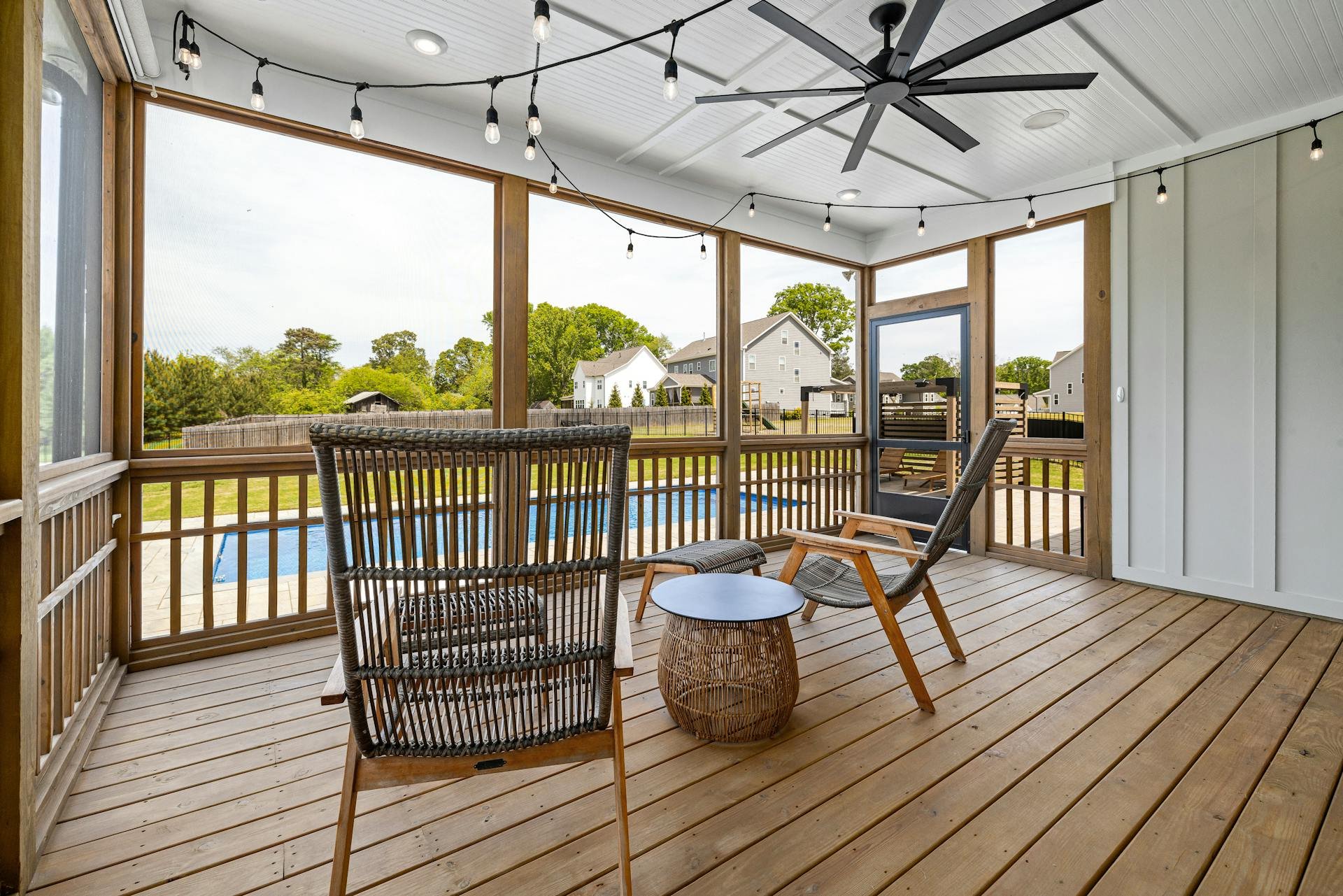
Late winter in Charlotte means more damp days, colder nights, and plenty of rainfall. When we think about how that affects outdoor spaces, screen porches often get overlooked. But if water starts to collect where it shouldn’t, these areas can lose their comfort quickly. Drainage makes a big difference here, especially when the weather can shift between warm sun and a hard freeze in just a day or two.
If you're thinking about building or maintaining a screen porch in Charlotte, planning for water movement matters far more than most people expect. With early spring storms right around the corner, now’s a smart time to become more familiar with how drainage works and why it’s worth paying attention to.
How Rainwater Affects Screen Porches
Rainfall isn’t too intense most days, but when it adds up, water tries to find the lowest point. On screen porches without the right slope, that often means puddles collecting in corners or near doorways. Once that happens, the problems can build fast.
• Standing rainwater wears down porch flooring, especially when the surface isn’t sealed or was finished several seasons ago.
• Pooling water can seep into corners, softening trim and creating spots where bugs or mold thrive.
• When outdoor furniture sits in water, fabrics can stain or take on that musty smell no one wants near their living spaces.
Even with good ventilation, trapped moisture keeps the air in the porch feeling damp and uncomfortable.
Why Drainage Matters Even Without Snow
We don’t deal with much snow in Charlotte, but that doesn’t let us off the hook. Our freeze-thaw cycles still stress outdoor structures. When water isn’t draining properly, every cold snap can cause small cracks to widen or seams to shift just enough to cause trouble.
• Water that freezes in porch corners or beneath trim can slowly push materials out of alignment.
• Poor drainage combined with damp air leads to mold on surfaces and poor air quality inside your screened area.
• Over time, a space that was supposed to be dry and welcoming starts to feel sticky, stuffy, or even smells bad.
Preventing that starts with guiding water out before it has a chance to sit too long.
Design Features That Support Proper Drainage
The difference between a dry screen porch and one that constantly feels damp often comes down to small details that aren’t obvious at first glance. Thankfully, a few key design features can keep things under control year after year.
• Sloped floors, even with just a subtle angle, help rainwater and condensation roll out instead of puddling in place.
• Drainage systems beneath floorboards or set into the porch base give water a route to escape before it leaks into surrounding materials.
• Sealed trim edges and screened vents along the base can keep the air circulating and prevent water from collecting under furniture or fixtures.
• Gutter systems and porch overhangs don’t just protect roofs; they also steer rainfall away from screened walls and floor seams.
A little attention up front makes it much easier to keep things dry during long stretches of rain.
What to Watch for in Older or Existing Porches
If your screened porch has been around for a while, it might not include many of the newer details that help with water control. That doesn’t mean it’s in bad shape, but it’s smart to keep an eye out for common trouble signs.
• Water pooling in any corner or near step-down areas, even after light rain.
• Soft or spongy areas in the floor, especially close to the edges or near doorways.
• Mildew growing on screens or along the base, signaling trapped moisture with nowhere to go.
• Warped boards or trim that looks pulled away from the structure more than it used to.
Charlotte has had a boom in outdoor living over the past few decades, but not every screen porch in Charlotte was built to handle today’s changing weather patterns. Catching problems early helps avoid bigger repairs later.
Seasonal Tips for Keeping Drainage Working
Late winter is a great time to check the basics. You don’t need good weather, just a few minutes and a sharp eye. Staying ahead of clogs or water traps can save you from dealing with mildew or warped flooring right as the warmer season kicks into gear.
• Look for leaves, pine needles, or dirt blocking the porch entrance or floor drains after a storm.
• Check corner seams and joints, especially near furniture, for leftover puddles or soft spots.
• Pay attention to your porch’s baseboard edges. If debris collects along the bottom, water may be sitting instead of draining.
• Before spring brings heavier rains, make sure all paths for runoff around the porch are clear and flowing away from the structure.
These simple steps can help keep your screen porch more comfortable and make it easier to spot when something isn’t working the way it should.
Keep Your Screen Porch Comfortable Year-Round
When drainage is working well, it’s easy to forget how much it’s doing to protect your outdoor space. But when water sits too long, the comfort you’ve built into your screen porch can disappear fast. By clearing debris, checking for standing water, and making sure nothing is shifting or settling wrong, you stay one step ahead.
We’ve seen how small maintenance habits in late winter can save a lot of trouble once spring storms roll in. A cleaner, drier screen porch makes for a more relaxing space, no matter the season. And with early spring just around the corner, now’s a great time to make sure yours is ready.
Exploring real examples of how a well-built screen porch in Charlotte manages heavy rain can offer inspiration for your own space and highlight the impact of thoughtful design and smart drainage solutions. When you’re ready to upgrade your porch for lasting comfort in any weather, contact Deckscapes, Inc. to schedule your consultation.