
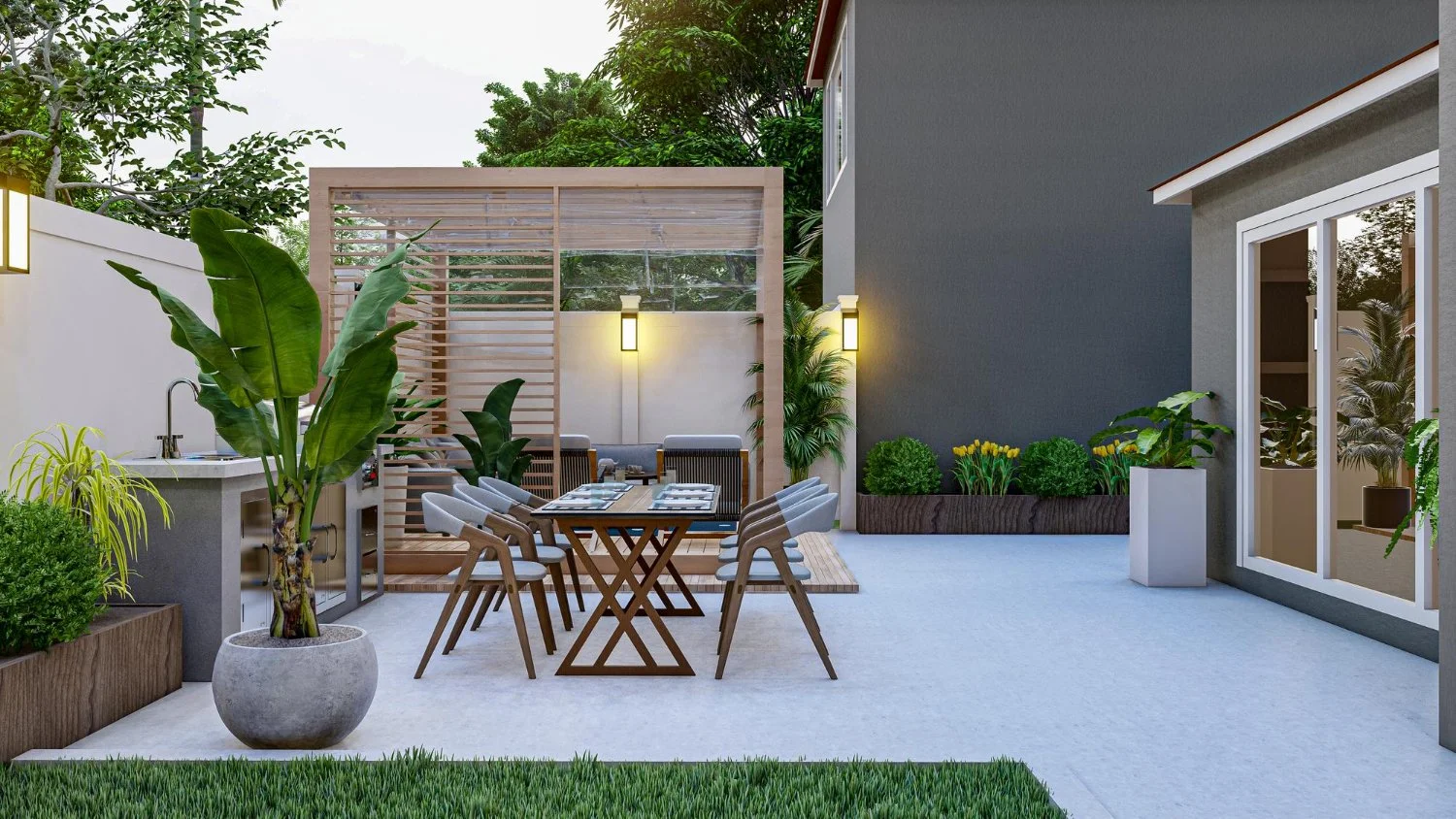
In Charlotte, patios work harder than people might think. They need to handle quiet weekday mornings, packed weekend cookouts, and sometimes even the tail end of a winter storm. That’s why getting the frame right matters from day one. Patios here aren’t just for summertime, they’re often built to be a three or four-season gathering spot.
When we build custom decks and patios in Charlotte, NC, we think beyond a simple flat surface. Load-safe framing shapes whether the space stays level, dry, and strong enough to handle whatever gets put on top of it. Whether it’s a pergola, a fire pit, or just heavier outdoor furniture, the wrong choices underneath can cause problems you won’t see until it's too late. So, we pay close attention to how everything starts from the ground up.
Why Load-Safe Framing Matters in Charlotte
In a place like Charlotte, patios go through some heavy lifting over the course of a year. Soil shifts with rain, freezes can sneak in late in the season, and furniture doesn’t get any lighter.
Soil movement matters. It might not be obvious at first, but the freeze-thaw cycles that come through during a Carolina winter can cause small shifts that pull at foundation footings or push up a post. That’s why it’s smart to work with what the soil naturally does over time.
Moisture sticks around. When rain falls and winter holds steady, the moisture near footings can collect and erode the space underneath if it’s not supported or drained properly. That’s where planning for runoff comes into play.
Weight adds up. Grills, lounge chairs, covered pergolas, and the weight of wet snow all press down harder in cold months. An overloaded frame will show signs later with sagging corners or bouncing surfaces. We don’t leave that risk to chance.
Thinking through these possibilities helps avoid the kinds of repairs that come up a few years down the road.
Key Framing Materials and Their Strengths
The materials under the patio help decide how long everything above it really lasts. Not every frame type works for every design, so we match the framing to the job, not the other way around.
Pressure-treated wood is the one most homeowners know. It’s easy to find, holds up well when sealed, and gives flexibility when working with varied layouts. That said, it needs spacing to dry properly and can warp if water doesn’t drain right.
Engineered wood comes into play when we want something a little stronger and more stable in tight spots or long spans. It handles heavier loads without bowing as fast, and it's more predictable in wet seasons.
Steel framing is the option we use when the patio will carry a heavy load or stay exposed to more moisture. It resists warping, lasts longer, and pairs well with heavier surface materials like stone. It often ends up being part of covered patio setups or areas with full roof extensions.
What goes on top matters too. A composite deck surface, for example, weighs less than flagstone but might run hotter in full sun. So we think about how framing and surface materials work together, not just on day one, but five or ten years in.
Smart Structural Design Choices for Patios
Once we decide what framing materials to go with, the next step is setting them up the right way. There’s more to a stable patio than just posts and boards.
Joist spans play a big part in how sturdy the space feels underfoot. Wider spacing can lead to bounce, especially with composite decking. We tighten that up for smoother, more secure footing.
Post placement comes into focus when patios stretch wider or carry something like a pergola or deck extension above them. We choose spacing so weight gets shared evenly over time, not just placed in the easiest spots.
Ledger boards support attached patios and transitions between house and deck or deck and patio. If they’re not fastened and flashed correctly, water can sneak in and cause the wood to rot behind the walls.
Load points matter most when we're stacking functions, like adding a seating wall, built-in planter, or even a hot tub. These features all concentrate weight, and if the framing wasn’t prepared for that at the start, shifting or sagging can follow after a few seasons.
Every outdoor build teaches us something based on its layout and planned use. We read it and build accordingly from the beginning.
Planning for Wind, Water, and Weight
Charlotte weather doesn't go easy, especially as winter dwindles and early spring starts bringing fast storms. Framing a patio means thinking about how weather interacts with structure, especially below ground-level.
Wind isn't just about gusty days. It changes how water falls and gets caught around corners or low points. We angle and slope surface boards to clear water fast and route it to safer areas.
Drainage under the frame keeps things from staying damp. We use gravel beds or drainage channels under patio spots that see more rain, especially with solid surfaces like stone or pavers that don’t let water through.
Weight isn’t steady all year. Patio furniture during spring may be light, but in colder months, people stack wood, park snowblowers, or leave outdoor furniture covered and collecting moisture. These extra pounds act differently on materials under stress.
Smaller touches like using rot-resistant framing or spacing footings just a few inches closer can make a difference by mid-year. Water doesn’t need to pool, and wood shouldn’t stay wet longer than necessary.
How Deckscapes, Inc. Builds for Lasting Performance
As part of our process, we evaluate site conditions and match framing options to your home's needs. Our patio designs can include integrated retaining walls, built-in seating, and steps, blending practical structure with visual impact. We focus on seamless transitions from deck to patio or between multiple elevations, ensuring the whole outdoor space is safe and functional for Charlotte homeowners.
Every step in our process is about balancing beauty and durability, using construction details our clients can rely on each year.
Built Right From the Start Means Fewer Headaches Later
When a frame is strong, the rest of the patio holds up with fewer issues. That's why we plan early and make structural decisions that stand up to wet soil, spring storms, and seasonal use. Forgetting framing during planning leads to patching problems later, and nobody wants sloping boards or wobbly steps by the time summer rolls around.
Load-safe choices help with safety and shape how people use the space for years without thinking about what holds it up. A good frame keeps custom decks and patios working through rain or shine, sitting level, draining right, and holding steady no matter the season.
Thinking about upgrading your outdoor space before the next season starts? It’s important to focus on what holds everything up. We’ve seen firsthand how strong framing leads to lasting comfort, while skipping those early choices can create problems later on. When we build custom decks and patios, we match every design to your space so it works right from day one and stands strong for years to come. At Deckscapes, Inc., we care about the details you may not notice once everything is finished. Give us a call to discuss your patio or deck project and how we can help you build it the right way from the ground up.